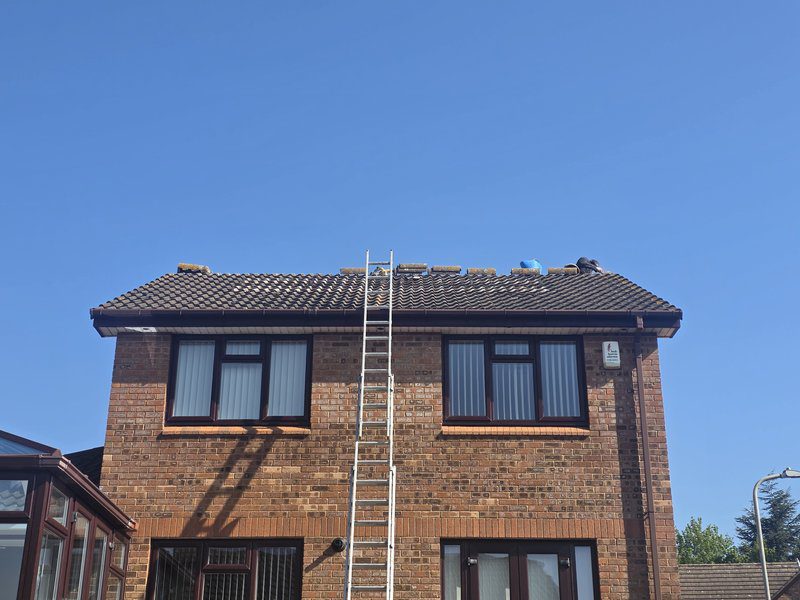
If you’ve had a roofer mention a dry ridge system and you’re not sure what they’re talking about — you’re in the right place. Dry ridge systems are becoming increasingly popular on UK homes and for good reason. Here’s everything you need to know.What is a Dry Ridge System?A dry ridge system is a modern method of fixing ridge tiles to the top of a pitched roof without using mortar. Traditional ridge tiles are bedded in mortar — a sand and cement mix — which holds them in place. A dry ridge system uses a combination of a continuous union roll, fixing components and ventilation units to secure the ridge tiles mechanically instead.What’s Wrong with Traditional Mortar Bedding?Traditional mortar bedded ridge tiles have been used on UK roofs for decades but they have some significant drawbacks. Mortar cracks over time as the roof expands and contracts with temperature changes. Once the mortar cracks it allows water to get in which can cause leaks and damage to the roof structure. Mortar also shrinks as it dries which can cause ridge tiles to become loose or even fall off — which is a serious safety risk.Most mortar bedded ridge tiles need repointing every 10 to 15 years which adds to the ongoing maintenance cost of your roof.How Does a Dry Ridge System Work?A dry ridge system works by using a continuous union roll — a flexible strip that runs along the ridge — combined with mechanical fixings that hold the ridge tiles securely in place. The system allows the roof to move and flex naturally with temperature changes without cracking or failing.Most dry ridge systems also incorporate ventilation which allows moisture to escape from the roof space — reducing the risk of condensation and improving the overall health of your roof.What Are the Benefits of a Dry Ridge System?There are several significant benefits of a dry ridge system over traditional mortar bedding. Dry ridge systems are much more durable and longer lasting — a quality dry ridge system should last the lifetime of the roof with no maintenance required. They allow the roof to breathe and ventilate properly. They won’t crack or fail like mortar does over time. They are safer — mechanically fixed ridge tiles are much less likely to become loose or fall off. And they are a neater and more professional finish.How Long Does a Dry Ridge System Last?A quality dry ridge system should last 30 to 40 years or more — significantly longer than traditional mortar bedding which typically needs repointing every 10 to 15 years. Many manufacturers offer guarantees of 10 to 15 years on their dry ridge systems.How Much Does a Dry Ridge System Cost?The cost of installing a dry ridge system varies depending on the size of the roof and the length of the ridge. As a rough guide you might expect to pay between £500 and £2,000 for a typical semi-detached house. While this is more expensive than a simple repoint it’s a one off cost that should last the lifetime of the roof.Is a Dry Ridge System Worth It?In our opinion — yes. If your mortar bedded ridge tiles are failing or need repointing it’s worth considering a dry ridge system instead. The additional upfront cost is offset by the fact that you won’t need to repoint again and the system will last much longer.We recently installed a dry ridge system on a property in Witney, Oxfordshire — replacing old mortar bedded ridge tiles that were cracking and allowing water in. The homeowner now has a secure, low maintenance ridge that should last for decades.Get a Free Quote for Dry Ridge Installation from Cole RoofingCole Roofing installs dry ridge systems across Pershore, Evesham, Worcester, Witney, Cheltenham, Oxford and surrounding areas. We are fully insured, Checkatrade approved and TrustATrader registered with a 5 star rating on Google.Call us on 07586 407635 or email info@coleroofing.co.uk for a free no-obligation quote on dry ridge installation.