New slate roof installations in Cheltenham need careful planning, from choosing the covering to detailing the ridge and flashing. A roof should suit your property’s appearance while keeping rain out and managing moisture beneath the slates. Therefore, a clear specification matters as much as the finished look.
At Cole Roofing, we provide roofing services in Cheltenham, including slate installations and roof replacements. This guide explains the main decisions, the installation process and what to ask before work begins.
Is a new slate roof the right choice?
Slate offers a distinctive finish for both traditional and modern homes. However, not every worn roof needs a complete replacement. A professional inspection should first establish whether local repairs can keep the existing covering serviceable.
Repeated slate failures, widespread fixing problems or damaged battens may make renewal worthwhile. In contrast, an isolated broken slate can often be repaired. The recommendation should reflect the roof’s overall condition and the work beneath its surface.
Choosing materials for new slate roof installations in Cheltenham
Discuss the material before comparing prices. Natural slate and manufactured alternatives have different specifications, finishes and installation requirements. Also, natural slate varies in colour, texture, thickness and quality, so samples can help you compare the proposed options.
The roof’s pitch and exposure influence the slate size, overlap and fixing arrangement. Meanwhile, any change in covering weight needs consideration of the supporting structure. Ask the contractor to explain how the selected product suits your roof.
- Confirm the proposed slate type and product specification.
- Compare samples with nearby roof details and the property’s character.
- Discuss the fixings, ridge system and flashing materials.
- Ask what product and workmanship guarantees apply.

Planning slate roof installations in Cheltenham
Before ordering materials, check whether the proposed work needs permissions or Building Control involvement. Roof renewal can involve insulation and structural considerations as well as the covering. Your contractor should explain how these requirements will be addressed.
For listed homes and properties in conservation areas, discuss changes with the local authority before work begins. Historic England’s roof guidance explains why retaining historic features and considering repair first can matter on older buildings.
The NFRC Competent Person Scheme’s guidance also covers notification and insulation considerations for reroofing. Ask which approval or certification route applies to your project; scheme membership should be checked rather than assumed.
How new slate roof installations in Cheltenham progress
1. Inspection and a written scope
First, the roofer assesses the covering, structure and roof junctions. A written quote should identify the proposed materials, access arrangements and work included. In addition, agree how any hidden damage will be reported and priced.
2. Safe access and removal
Scaffolding and site protection allow the contractor to work safely. The team then removes the existing covering in a planned sequence. Temporary weather protection should form part of the plan, especially when the forecast changes.
3. Checking the roof beneath the slates
Once the covering is open, the contractor can check timbers and other concealed areas. Any necessary repairs should take place before the roof is rebuilt. Suitable underlay and battens then provide the base for the new covering.
4. Laying the slates and finishing junctions
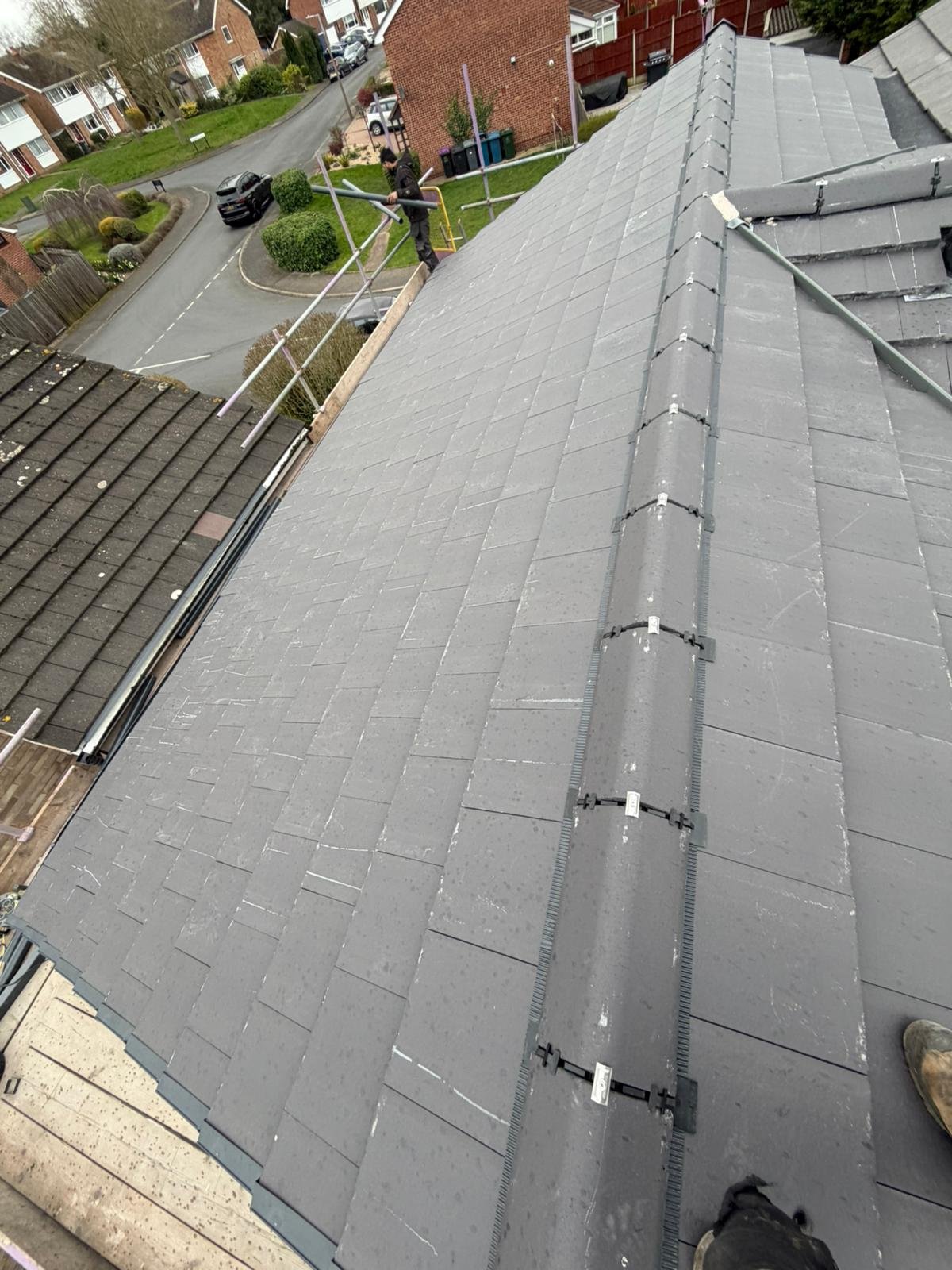
The roofer sets out the courses and installs the slates with the specified fixings and overlap. Flashing, valleys and roof openings need careful attention too. Finally, the ridge and roof edges must work with the rest of the system.

Ventilation, insulation and ridge details
A new roof needs more than an attractive top layer. Insulation, ventilation and moisture control should work together. Therefore, adding a breathable membrane does not remove the need to assess the complete roof build-up.
A mechanically fixed dry ridge may suit some projects, while another detail may be appropriate for a traditional roof. Ask why the proposed system suits the building. Also, confirm how roof windows, pipe outlets and chimney junctions will be weatherproofed.
Comparing quotes for slate roof installations in Cheltenham
Compare the scope before comparing the total price. A lower quote may omit access equipment, insulation work or renewal of existing flashing. Furthermore, provisional costs for timber repairs can change the final bill.
Ask whether each quote includes scaffolding, waste removal, roof openings and any required certification. Agree the payment stages and guarantee terms in writing. A clear programme should also explain what happens if poor weather delays the work.
Handover and looking after the finished roof
At completion, request photographs, product details and the relevant paperwork. Keep the invoice and guarantee with your property records. Then inspect visible areas from ground level after severe weather and arrange attention for any new defect.
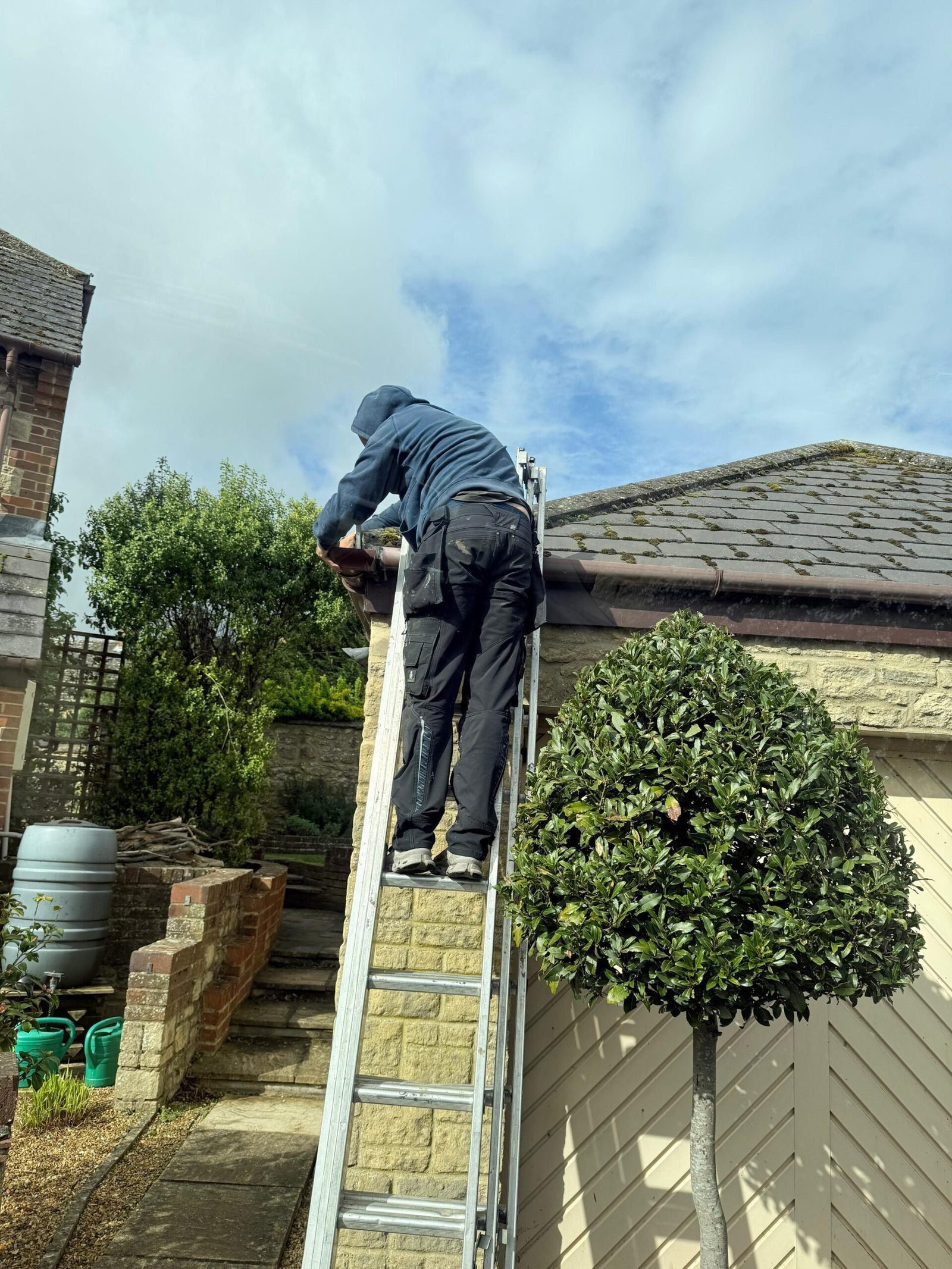
Keep gutters clear so water can drain away from the roof edges. You can explore our guttering services in Cheltenham if your rainwater system also needs work.
Discuss new slate roof installations in Cheltenham
Cole Roofing has completed a slate roof installation project in Cheltenham and offers free quotes for roofing work. We can inspect your existing roof, discuss suitable materials and explain the proposed scope before you decide.
Call 07586 407635 or request a free quote to discuss your property and current availability.